

Kopanang Africa Against Xenophobia
Date: 8 October 2023
After the devastating 80 Albert Street Fire in Johannesburg’s Marshalltown last month, civil society-led Johannesburg Fire Response Action Group conducted in-depth interviews with survivors to determine the humanitarian response. Data was collected through meticulous interviews and is being used to determine the humanitarian response from civil society.
The data shows that the majority of people affected by the fire are South Africans (see table below). The facts contradict the dominant narrative of politicians and other state officials who since the fire have bent over backwards to use scapegoating of migrants and social justice NGOs to avoid taking responsibility for the dreadful state of Johannesburg’s inner city buildings.
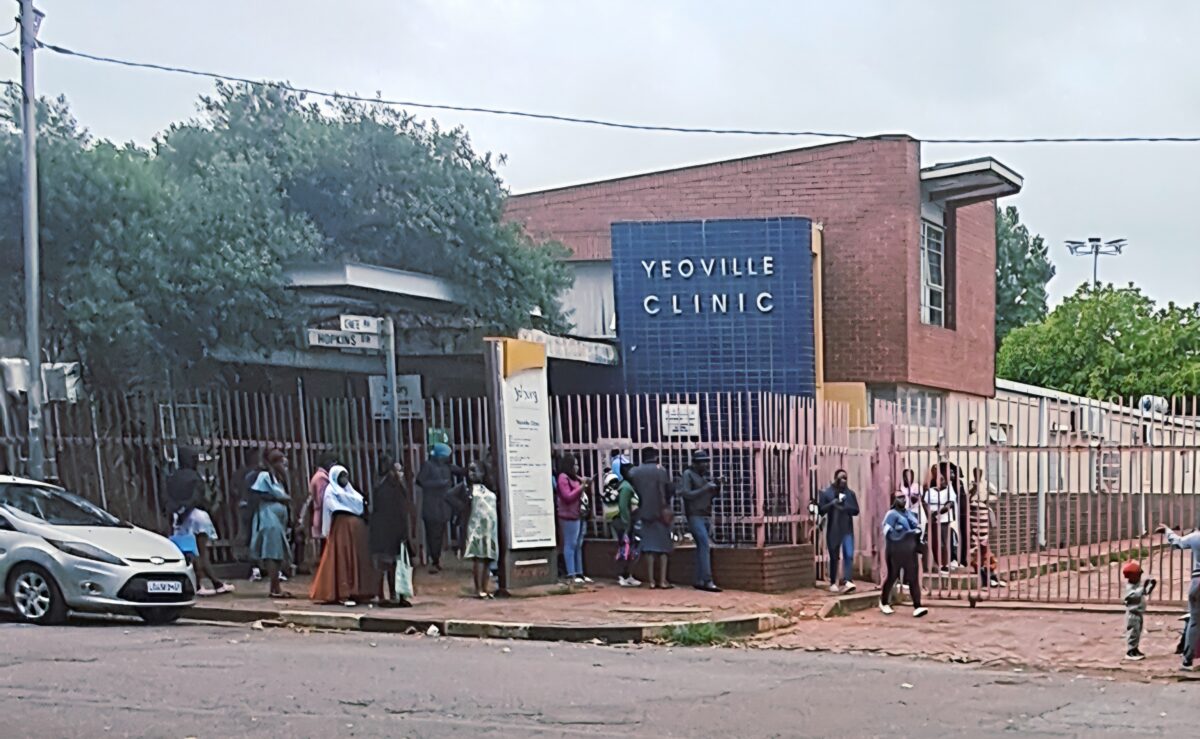
This inadequate response has led to further tragedies, including the death of a woman denied medical treatment post-fire due to lack of documentation. Xenophobic attitudes at clinics meant that fire victims, whose loved ones were critically injured, were barred from access to bid them farewell. (See Appendix 1 for further first hand stories).
That the majority of the people that were affected by the fire were South Africans is incidental at this point. The fact that the Gauteng Province’s response was not informed by concern for the tragic loss of life and the suffering that the survivors of this fire experienced should be a warning to all. The Gauteng Province and the City of Joburg are looking at elections in 2024. And this is what is informing how they respond to this tragic humanitarian crisis.
The majority of media stories about the fire have worked in lockstep with the false narratives of the state. At no point did these media houses do the work of collecting real facts to challenge the dangerous tone emerging around blaming the victims. If they did, these were not used to expose the truth. This is irresponsible reporting, that perilously feeds scapegoating and xenophobic violence in our communities.
NATIONALITY, GENDER AND AGE OF MARSHALTOWN FIRE SURVIVORS
| Nationality | Female | Male | Gender unknown | Children | Total Adults | Grand Total |
|---|---|---|---|---|---|---|
| South Africa | 103 | 89 | 14 | 58 | 206 | 264 |
| Malawi | 19 | 65 | 16 | 13 | 100 | 113 |
| Tanzania | 6 | 86 | 0 | 1 | 92 | 93 |
| Kenya | 0 | 1 | 0 | 2 | 1 | 3 |
| Mocambique | 3 | 0 | 0 | 0 | 3 | 3 |
| Swaziland | 1 | 0 | 0 | 0 | 1 | 1 |
| Lesotho | 2 | 0 | 0 | 3 | 2 | 5 |
| Zimbabwe | 9 | 2 | 4 | 4 | 15 | 19 |
| Total | 143 | 243 | 34 | 81 | 420 | 501 |
The South African government’s response to the 80 Albert Street Fire, as outlined in the letter attached to the President (See Appendix 2) is a defining moment. We, at KAAX – Kopanang Africa Against Xenophobia, call upon the Presidency of the Republic of South Africa and the relevant ministries to act swiftly and appropriately. This means the state needs to declare the fire as a disaster, enabling immediate resource allocation, improving shelter conditions, financial assistance, mental health support, comprehensive long-term plans, and employment assistance.
Civil society role players stand ready to collaborate with the government to provide immediate aid. Now is the time to uphold our duty, display compassion, and act decisively.
“Tell No Lies, Claim No Easy Victories” [Amilcar Cabral]
ENDS
Attachments:
- Appendix 1: Heart-breaking Stories from the Ground
- Appendix 2: Urgent call for action: 80 Albert Street Fire in Marshalltown Johannesburg
Appendix 1
Heart-breaking Stories from the Ground:
- A Daughter’s Desperate Search: A 23-year-old woman lost her mother and sister in the fire. She saw her father at a clinic but was denied access. Her relentless search for him led to job loss. Two weeks later, our team found her father at the Hillbrow mortuary.
- The Struggle for Identification: Many tried to find their loved ones at Hillbrow mortuary but were denied access without documentation lost in the fire. Not even in death is there dignity This took them on a heart-wrenching bureaucratic journey.
- Medical Neglect: A man, released from the hospital with just his clothes, had to change his catheters on the streets. Others, including a baby, were too scared to seek medical attention due to xenophobia. Our volunteers intervened, ensuring they received care from private doctors. One individual was denied medical treatment and subsequently died. A four year old child was turned away last week from the clinic while sick as clinic staff said she was undocumented. This despite the mother explaining she lost documents in the fire and that she was staying at the shelter
- The Journey to Say Goodbye: Some victims travelled to funerals on trucks due to financial constraints. On their return, several were arrested for lacking documents they lost in the fire.
- Document Challenges: Tanzanian victims, even with documents from their embassy, were told by the Johannesburg Central police that their papers were invalid without a Home Affairs stamp, leaving them vulnerable.
Appendix 2
Urgent call for action:
80 Albert Street Fire in Marshalltown Johannesburg.
By The Johannesburg Fire Response Action Group
Date: 5 October 2023
To: The Presidency of the Republic of South Africa
The Minister of Home Affairs
The Minister of Police
The Minister of DIRCO
The Minister of Human Settlements
The Minister of Social Development
The Minister of Health
The Minister of Cooperative Governance and Traditional Affairs
The Premier of Gauteng
The Mayor of City of Johannesburg
South African Human Rights Commission
Cc. Office of the Dean of the Diplomatic Corps in South Africa
Embassies of Malawi, Tanzania, Kenya, Mozambique, Swaziland, Lesotho and
Zimbabwe
Editors of Media Houses
Ahmed Kathrada Foundation
City Manager of City of Johannesburg
Executive Summary
This memo addresses the aftermath of the fire at, 80 Albert Street, Marshalltown, Johannesburg, emphasising the critical issues and urgent actions required from the South African government.
The devastating fire claimed the lives of 78 individuals, leaving 501 people displaced, including at least 264 South African citizens, migrants, refugees and asylum seekers with at least 81 children surviving. Urgent humanitarian and legal support is imperative for all affected.
Key Issues:
- State Declaration of the Fire as a Disaster: The declaration of the fire as a disaster is crucial for coordinated government efforts. Recommendations encompass resource allocation, improving shelter conditions, financial assistance, mental health support, comprehensive long-term plans, and employment assistance.
- Assistance for Families of Victims Lost in the Fire: Families who lost loved ones require structured support for DNA sample collection, identification assistance, burial and funeral support, transport assistance, regular updates, and extended counselling in their provinces and countries of origin. The Emergency Housing Programme is developed from section 26 of the Constitution and the National Housing Act. It calls on the city to implement it, and for the provincial government to administer it by making funding available to the City to fund disasters of this nature.
- Documentation Crisis for Citizens and Migrants: Challenges with obtaining valid documentation for both citizens and foreign nationals pose a secondary crisis. Recommendations include home affairs interventions and liaising with embassies, assisting those with expired visas or no documentation, and ensuring prompt issuance of permits to refugees.
- Activation of the National Plan of Action on Racism and Xenophobia: The spread of misinformation and xenophobic sentiment threatens social cohesion. Recommendations include ensuring information accuracy, preventing misinformation, upholding human rights, holding inciters accountable, utilising legal mechanisms, and activating the National Plan of Action on Racism and Xenophobia.
Non-compliance with our international obligations and international law together with failure to address these urgent issues may lead to further loss of life, deteriorating health,, and social turmoil. Immediate government action is essential to alleviate the suffering of victims and promote a cohesive, compassionate society.
INTRODUCTION
It has been 35 days since the devastating fire that officially took the lives of 78 individuals (with final numbers still undetermined) and injured many more. More than the loss of lives the fire has displaced approximately 501 people (245 households), including children as young as 3 weeks old, who have not only suffered the physical scars of burns, broken legs after jumping out of the building or throwing their children out of windows to save their lives, they have also suffered the loss of as many as 6 family members in one incident, leaving trauma and unimaginable loss. All the lives affected in this fire must be considered worthy of humanitarian action and legal intervention and support with lost documentation that affects the ability to move with freedom to rebuild their lives.
In the aftermath of the tragedy, certain politicians hastily labelled the building’s occupants as predominantly “illegal immigrants”. However, our comprehensive assessment reveals that 206 of those who survived were South African citizens, particularly from Kwa-Zulu Natal and the Eastern Cape. While many victims of the fire were migrants from Malawi, Tanzania, Ethiopia, and Zimbabwe, many were also asylum seekers and refugees from these countries which the South African government should be able to easily confirm. It’s essential to correct this misrepresentation as it not only skews the narrative but also seems to justify a lack of response. Both local citizens and migrants are enduring immense distress. Many, feeling unsafe, opted out of the temporary shelter, while others have been at the Hofland Park Recreation Centre in Bezuidenhout Valley for over 4 weeks. Here, they face crowded, cold, and unsafe conditions, with over 100 people sharing inadequate ablution facilities and a kitchen ill-equipped for such volumes. It’s imperative to address this crisis with accurate information and a compassionate, effective response, irrespective of nationality or documentation status.
For more than a week government authority from Disaster Management, Departments of Social Development, Human Settlements, Health, Home Affairs and police have been absent from the temporary shelter. This means that as support services like documentation, food and health have been needed there has been no contact persons available to victims. This has had dire consequences that NGOs, International Organisations, community activists and volunteers with limited resources are now having to bear the responsibility for.
NATIONALITY, GENDER AND AGE OF MARSHALLTOWN FIRE SURVIVORS
| Nationality | Female | Male | Gender unknown | Children | Total Adults | Grand Total |
|---|---|---|---|---|---|---|
| South Africa | 103 | 89 | 14 | 58 | 206 | 264 |
| Malawi | 19 | 65 | 16 | 13 | 100 | 113 |
| Tanzania | 6 | 86 | 0 | 1 | 92 | 93 |
| Kenya | 0 | 1 | 0 | 2 | 1 | 3 |
| Mocambique | 3 | 0 | 0 | 0 | 3 | 3 |
| Swaziland | 1 | 0 | 0 | 0 | 1 | 1 |
| Lesotho | 2 | 0 | 0 | 3 | 2 | 5 |
| Zimbabwe | 9 | 2 | 4 | 4 | 15 | 19 |
| Total | 143 | 243 | 34 | 81 | 420 | 501 |
URGENT HUMAN AFFECTING VICTIMS
The most urgent issues affecting fire victims are:
- Inadequate ad hoc access to food at the temporary shelter;
- No trauma counselling or mental health support for both trauma from the fire as well as it’s devastating short, medium and long term consequences in their lives;
- Limited and hindered access to ongoing medical care – and no access at the site from government;
- Violence against victims from and at the shelter by South African Police Services, JMPD and also criminal elements;
- Arrests and detention of fire victims by South African Police Services and JMPD for not having documents as a result of them being burned in the fire;
- Being chased away from hospitals or clinics for not having documentation;
- No information about the DNA processes for identifying deceased family members;
- No support for transporting deceased people’s bodies to the Eastern Cape and Kwa-Zulu Natal
- No support or processes for repatriation for migrants wanting to return to their countries of origin;
- No income and jobs because the shelter is far from the area they lived in;
- No plan by any government department to assist victims to move out of the shelter in a dignified way
URGENT ACTIONS TO ASSIST VICTIMS
To address the urgent challenges arising from the 80 Alberts Street Fire and provide essential support to victims, the South African government should take the following key actions:
- State Declaration of the Fire as a Disaster:
- Resource Allocation: Upon the declaration of the fire as a disaster, allocate resources for immediate and long-term assistance to victims without discrimination based on nationality or documentation status..
- Temporary Emergency Shelter: Address the urgent need for improved housing conditions for victims while longer-term housing solutions are sought. This includes procuring temporary housing facilities and ensuring consistent food provision.
- Ablution Facilities: Procure temporary ablution facilities, including showers and adequate toilets, on an emergency basis.
- Assistance for Victims Not in Shelters: Identify and provide assistance to individuals who were in the fire but did not go to the shelters due to various reasons. Offer appropriate aid to address their vulnerabilities.
- Financial Assistance: Provide financial assistance to victims, including support for rental payments, the purchase of new household items, and a steady supply of food.
- Mental Health Support: Offer mental health assistance to victims to address trauma and emotional challenges stemming from the fire.
- Comprehensive Long-Term Plans: Develop individualised long-term plans for each affected family, considering options for reentry into the job market, repatriation, or assistance to rebuild their lives.
- Employment/Income Generation Assistance: Recognize employment challenges and provide support to help victims secure new employment or income-generating opportunities.
- Communication Plan: Regular communication of the status of the response as well as short, medium and long term plans must take place to all stakeholders, families and victims of the fire taking their vulnerability and loss of cell phones by fire victims into account.
- Assistance for Families of Victims Lost in the Fire:
- DNA Sample Collection: Establish a formal process for families of victims to provide DNA samples for identification. State mortuaries should play a central role in this process.
- Identification Assistance: Provide support to families in identifying their lost loved ones through state mortuaries and forensic processes.
- Burial and Funeral Assistance: Extend comprehensive support to families for the burial and funeral arrangements of their loved ones, covering expenses and logistical support.
- Transport Assistance: Facilitate transport assistance for families wishing to bury their loved ones in other provinces or countries, including transportation and related expenses.
- Regular Updates: Create a system to regularly update all stakeholders on the number of deceased individuals, progress in identifying them through DNA, and the status of burial arrangements taking into account that many victims have lost their phones and are in a vulnerable state.
- Comprehensive List of Deceased: Maintain an updated list of names, contact details, and other pertinent information for all deceased individuals, accessible to families and those providing support.
- Extended Counselling Support: Extend counselling support to families in the provinces and countries from which victims originate.
- Documentation Crisis for Migrants:
- Liaise with Embassies: Engage in discussions with the respective embassies to streamline and expedite the process of obtaining valid documentation for foreign nationals who are in South Africa on visas.
- Assist Those with Expired Visas: Implement measures to assist individuals with expired visas or no documentation in obtaining proper documentation, considering their unique circumstances.
- Support Refugees: Collaborate with the UNHCR (United Nations High Commissioner for Refugees) to ensure that Section 22 and Section 24 permits are issued promptly to refugees, providing them with the necessary legal status and protections.
- Activation of the National Plan of Action on Racism and Xenophobia:
- Information Accuracy: In order to counter misinformation and curb
- the spread of misinformation and false narratives that incite xenophobia so that – notwithstanding its traumatic impacts – the crisis may strengthen social cohesion, ensure accurate, factual information is communicated to the public as soon as possible.
- Upholding Human Rights: Uphold the state’s duty to protect the human rights of all residents, irrespective of nationality or immigration status.
- Accountability for Incitement Investigate and hold accountable through legal mechanisms, including through Chapter 9 institutions and the Equality Court, any person or organisation inciting xenophobia through their sentiments and actions.
- Consider Criminal Prosecutions: Explore criminal prosecutions in cases where incitement and harm to foreign nationals warrant it.
- Activation of National Plan of Action: Activate the National Plan of Action on Racism and Xenophobia to prevent the further spread of xenophobic sentiments and violence, promoting tolerance, diversity, and social harmony.
Taking these actions is critical to alleviate the suffering of victims, ensure a cohesive society, and uphold human rights during one of the most significant humanitarian crises in the country.
CONCLUSION:
In the wake of the 80 Alberts Street Fire in Johannesburg, the South African government faces a defining moment. The aftermath of this devastating incident has inflicted immeasurable pain and suffering on its victims. Lives have been lost, families shattered, and hope dimmed.
We cannot afford inaction. The government must rise to its duty of care in the face of one of the most significant humanitarian crises in our country’s recent history. To do nothing is to accept the further loss of lives, the deterioration of victims’ health, and the continued trauma that threatens to forever scar their lives.
The Hofland Park Recreation Centre, meant to be a temporary shelter, is now a symbol of despair. Overcrowded, unsanitary, and lacking basic necessities, it falls far short of providing the dignified support these victims deserve. The government’s declaration of a state of disaster is a critical step, one that must trigger an immediate and comprehensive response.
We call upon the Presidency of the Republic of South Africa and the relevant ministries to act swiftly. Address the urgent issues outlined in this memo – the documentation crisis, housing conditions, access to medical care, and the desperate need for support for those who have lost loved ones.
Additionally, we offer our support. Civil society role players deeply involved in relief efforts stand ready to collaborate with the government to provide immediate aid to those affected.
The government has a responsibility to protect the rights and well-being of all residents within its borders, irrespective of their nationality or immigration status. Now is the time to uphold this duty, to display compassion, and to act decisively to ensure that the victims of the 80 Alberts Street Fire find the support and solace they so desperately need.
For more information, please contact:
Andy Chinnah
Cell: 082 571 1159
Email: talk2andrew@bua.org.za and talk2andrewc@yahoo.com
Nigel Branken
Cell: 074 906 6777
Email: nigel@transforming.org.za
Amir Sheikh
Cell: 076 666 6466
Email: sheikh.scob@gmail.com