

PRESS STATEMENT | FOR IMMEDIATE RELEASE
Kopanang Africa Against Xenophobia (KAAX) expresses its profound concern over the escalating humanitarian crises facing migrants, refugees and asylum seekers across South Africa. We are witnessing an alarming increase in the number of people being displaced, forcibly evicted, abandoned and left stranded in forests, bushes, open fields and other unsafe locations as they flee xenophobic violence and vigilante attacks.
Women, including many who are pregnant, children, older persons and other vulnerable groups continue to bear the greatest burden of these crises, made all the worse in the middle of a winter freeze. Many have been stripped of their homes, livelihoods and access to basic services, while the state continues to neglect its constitutional and legal responsibility to protect every person within South Africa’s borders. How can those instigating this violence be so heartless? And how can a government in a democratic dispensation allow this to happen?
The situation that occurred in Newlands, Johannesburg over the last few days illustrates the gravity of this failure.
On 17 June 2026, the Malawian Embassy arranged six buses to transport approximately 500 Malawian nationals from Cape Town/Durban to Johannesburg. Upon arriving in Sandton, community tensions reportedly escalated due to the sudden arrival of such a large group. The buses subsequently transported the passengers to the George Koch diesel depot in Jeppe, where they were reportedly dropped off without any arrangements for shelter, humanitarian assistance or protection.
The group included women, children and men who had already fled violence and intimidation in Cape Town.
Following further tensions around the George Koch Hostel area on 20 June 2026, the South African Police Service intervened while new transport arrangements were made to relocate the displaced group to a very basic church venue in Newlands,
This sequence of events raises serious concerns about the coordination between government authorities, diplomatic missions and humanitarian actors. Human beings fleeing violence cannot simply be transported from one province to another without adequate planning, protection, accommodation and support. These are people traumatized and living in fear of being attacked.
Equally disturbing are reports that humanitarian efforts were being obstructed. Human rights organizations and community movement’s volunteers have been providing food and essential assistance to displaced migrants. We are particularly concerned by reports that a local Patriotic Alliance councillor and associates temporarily prevented activists assisting with food distribution from delivering humanitarian aid to the Malawian nationals. Blocking humanitarian assistance to vulnerable people, particularly women and children, is deeply troubling and further compounds an already desperate humanitarian situation.
The ongoing humanitarian emergency in KwaZulu-Natal only confirms the nature and extent of the crises.
For weeks, thousands of migrants, asylum seekers and refugees have been displaced from their homes, businesses and communities following sustained xenophobic violence and intimidation. Hundreds of documented refugees have sought protection from the authorities only to find themselves sleeping outside police stations and government offices instead of receiving the protection guaranteed under South African law.
Many continue to sleep outside the Department of Home Affairs Refugee Reception Centre on Che Guevara Road in Durban, despite possessing valid documentation. Others remain displaced in temporary shelters while living in fear of further attacks.
Reports that refugees have been threatened with deportation or pressured to return to communities where xenophobic groups continue to operate with impunity are deeply concerning. Such actions would undermine South Africa’s constitutional obligations, the Refugees Act and the country’s international obligations, including the principle of non-refoulement, which prohibits returning refugees to situations where they face persecution, violence or serious harm.
The responsibility of the state is not to punish those who have fled threats and violence. It is to prevent xenophobic intimidation, threats and attacks, investigate those responsible, prosecute perpetrators and ensure that everyone within the Republic enjoys equal protection under the law, most especially in respect of physical safety and basic needs.
South Africa’s Constitution guarantees the rights to dignity, equality, life and freedom and security of the person. These rights are not conditional upon nationality. They apply to everyone within the Republic.
Kopanang Africa Against Xenophobia therefore calls for the following:
- All levels of government to issue public statements declaring any ultimatum for foreign nationals to be removed from South Africa to be unlawful and denounced in the strongest terms.
- All levels of government must practically and immediately act against individuals and vigilante groupings that engage in criminal and unlawful acts with impunity, rather than simply issue statements and claim that this is being done.
- All levels of government must roll out immediate protection for all displaced migrants, refugees and asylum seekers through the provision of safe accommodation, food, healthcare, sanitation and psychosocial support.
- Urgent intervention by the Departments of Home Affairs, Social Development, Cooperative Governance and Traditional Affairs and the South African Police Service to coordinate a humane and lawful response to the crisis.
- Swift investigations into individuals and organisations responsible for inciting or carrying out attacks, forced evictions and the obstruction of humanitarian assistance against any immigrant, whatever their documented status
- The IEC to investigate any political party structure or member whose behaviour violates the electoral code of conduct in the lead up to the local government elections in November 2026.
- Full respect for South Africa’s constitutional, regional and international human rights obligations, including the protection of refugees and asylum seekers from refoulement and unlawful deportation.
- Safe humanitarian access for civil society organisations, churches, volunteers and community groups providing lifesaving assistance to displaced communities.
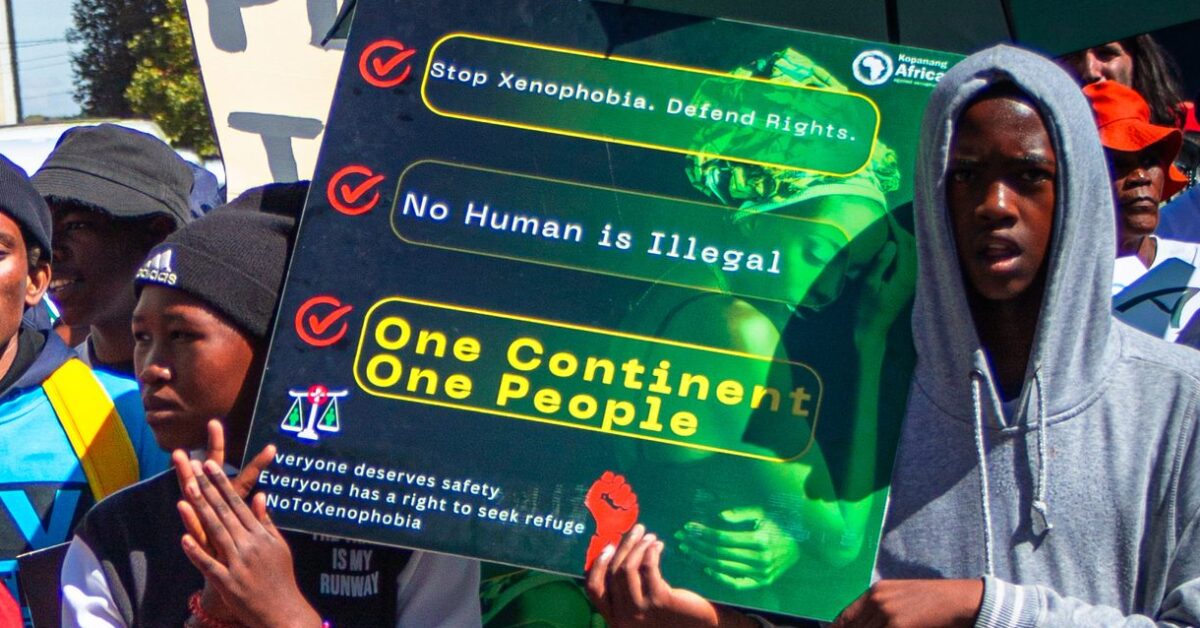
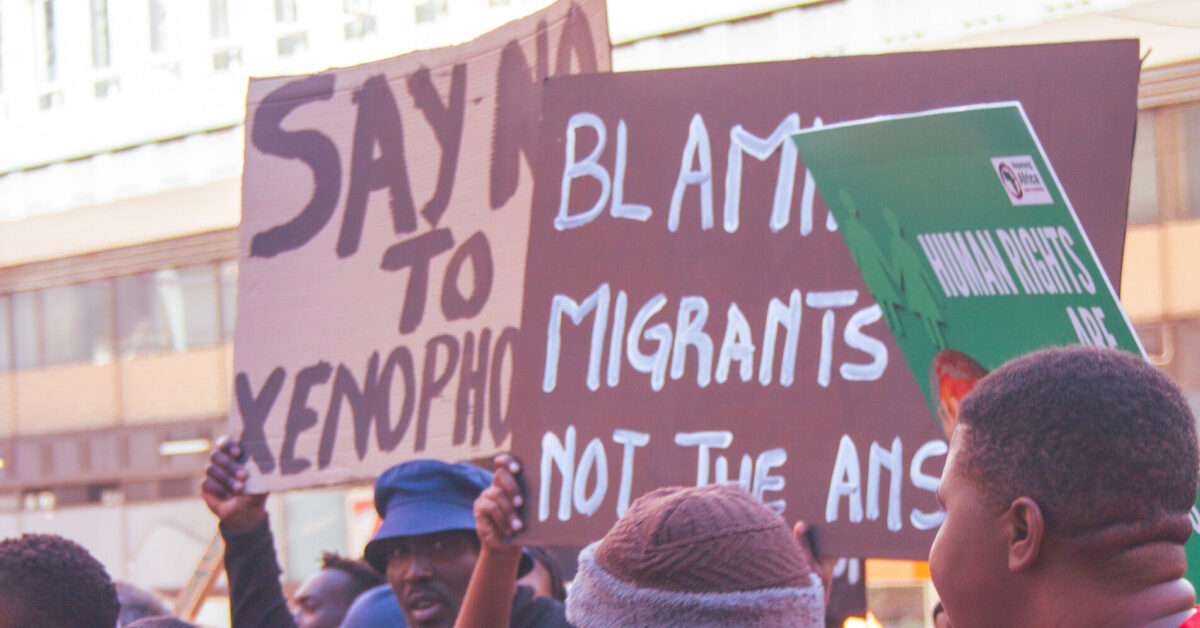
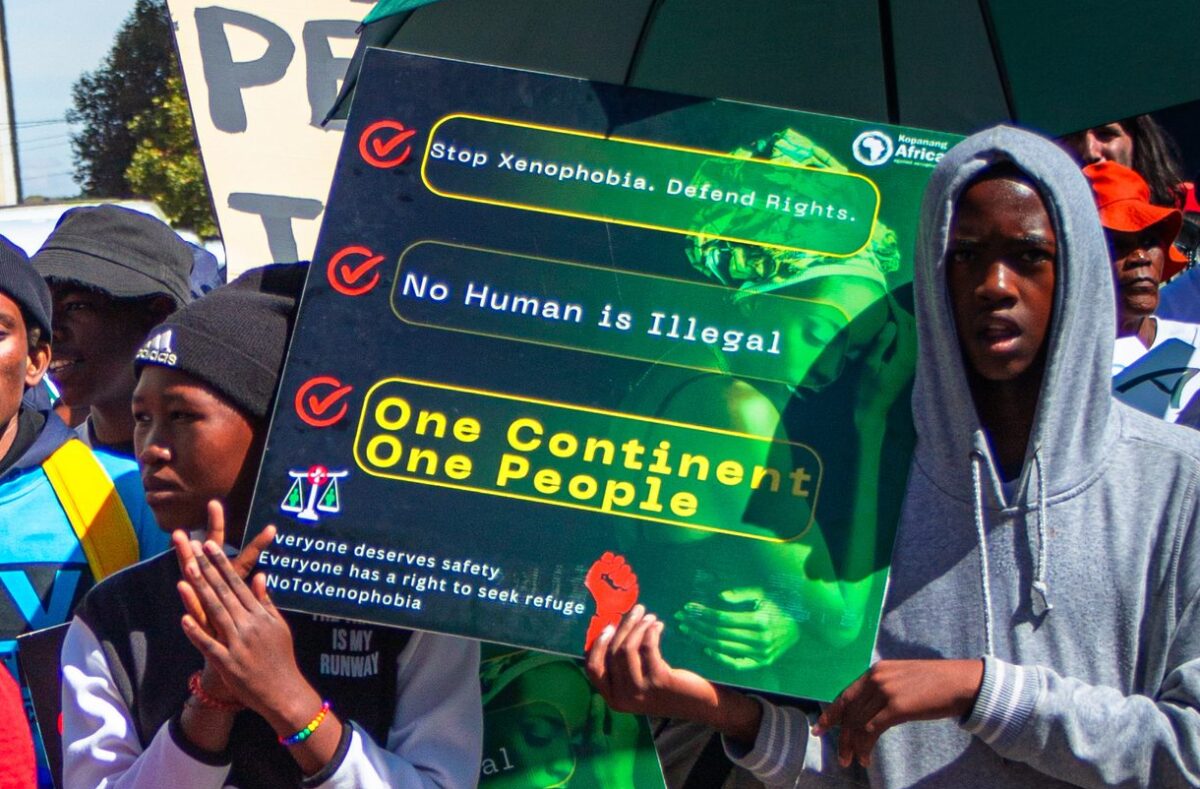
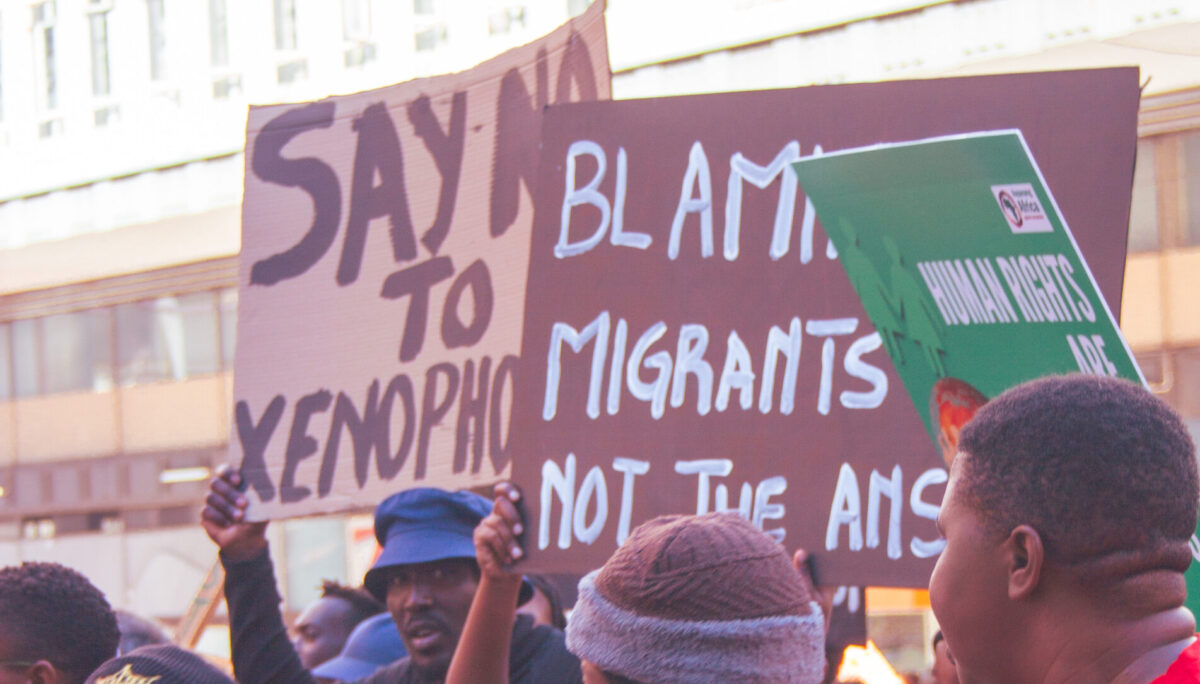
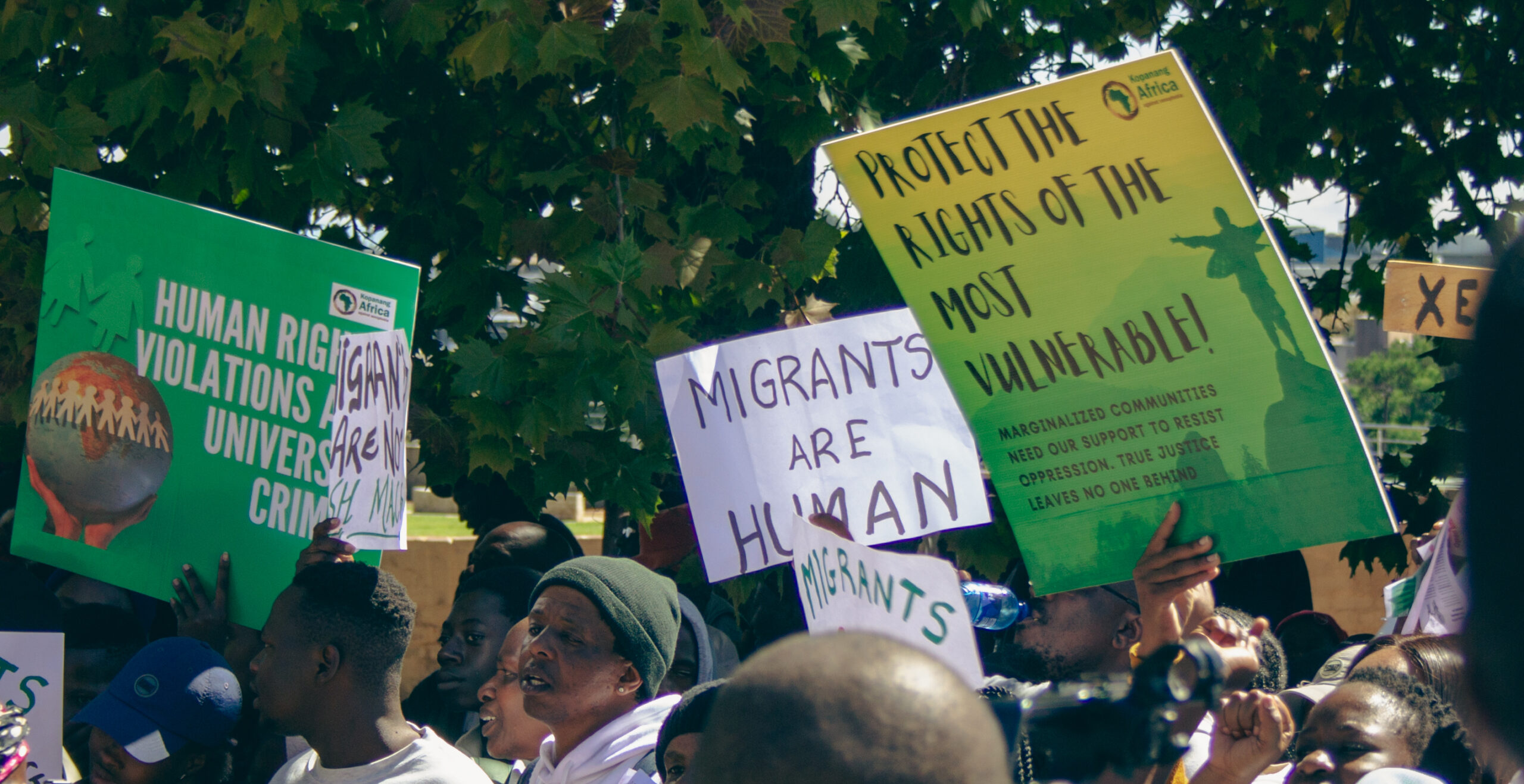
We further call on churches, trade unions, civil society organisations, community leaders, humanitarian agencies and all South Africans committed to justice and human dignity to continue standing in solidarity with migrants, refugees and asylum seekers during this difficult period.
History will judge us not by how we treated those with power, but by how we treated those who sought safety, dignity and protection when they had nowhere else to turn.
Ends,