
On 20 June, the world marks World Refugee Day, a day dedicated to recognising the courage, resilience and humanity of millions of people forced to flee war, persecution, violence and political instability.
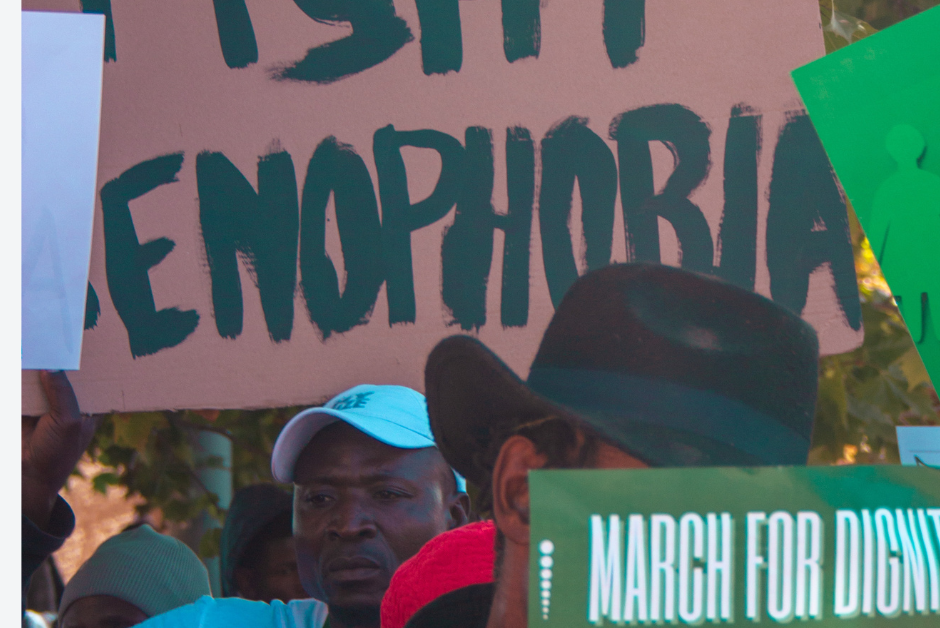
Across the world, anti-immigrant politics is on the rise. In Europe, North America and elsewhere, migrants and refugees have become convenient targets for political actors seeking simple explanations for complex social and economic challenges. Recently, riots in Belfast followed allegations involving a single refugee claimant, leading to violence and intimidation directed at entire migrant communities. In response, more than 20,000 people participated in what has been described as the city’s “biggest anti-racist demonstration.”
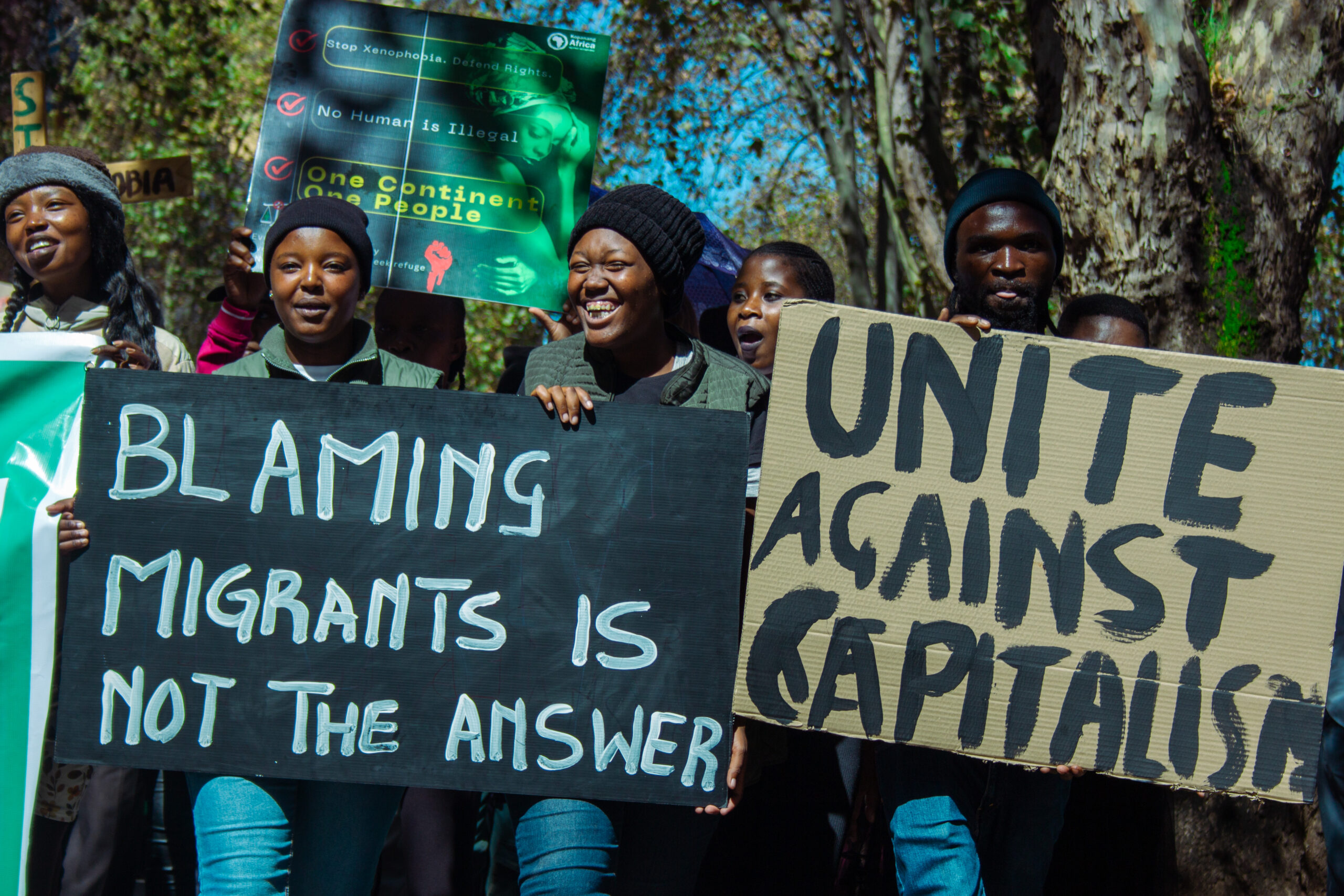
South Africa is not immune to these trends. Immigrants, asylum seekers and refugees are increasingly blamed for unemployment, crime, pressure on public services and economic hardship.
As KAAX, we believe World Refugee Day should not simply be a moment to express sympathy for displaced people. It should be an opportunity to reflect on what societies lose when fear triumphs over facts and when scapegoating replaces accountability.
More than 41.6 million people around the world are refugees. South Africa hosts nearly 170,000 refugees and asylum seekers, including people from Burundi, the Democratic Republic of the Congo, Somalia, South Sudan, Rwanda and Zimbabwe.
World Refugee Day, therefore, invites South Africans not only to reflect on international obligations, but also on a historical debt. During the struggle against apartheid, neighbouring countries and the broader international community provided refuge, protection and solidarity to South Africans fleeing persecution.
Unlike many countries, South Africa’s refugee system has historically been based on integration rather than encampment, allowing refugees and asylum seekers to live within communities. Yet recent developments warrant concern. The Constitutional Court has confirmed limits on repeat asylum applications, while proposals to relocate refugee reception offices closer to ports of entry signal a broader shift in migration governance.
At the same time, public discourse and political rhetoric increasingly frame migration through the language of security, illegality and burden-sharing.
As KAAX, we reject the dangerous politics of scapegoating.
On this World Refugee Day, we call on government, political leaders, civil society organisations, faith communities, labour unions, business, the media and all South Africans to reject narratives of division and exclusion.
We call for the protection of refugees and asylum seekers in accordance with the Constitution, international law and the values of human dignity, equality and solidarity that underpin South Africa’s democratic project.
Ends